Bordeaux reds and German whites may be better than ever, but what's in store for Champagne and Napa?
Jan. 23, 2007 -- Imagine a world in which the best sparkling wines come from Surrey in southern England, not Champagne. A world where Monterey Bay is home to California's best Cabernet Sauvignons and Sweden produces world-class Rieslings.
It's not science fiction. A growing number of climatologists are warning that by the turn of the next century, such a radically altered wine map could be the new reality. They say man-made greenhouse gases warming the planet are expected to shift viticultural regions toward the poles, cooler coastal zones and higher elevations.
Burgundian Syrahs? Quite likely. Scientists say that, in 50 years, Napa could be as hot as the Central Valley's Lodi appellation is now. Bordeaux is on track to have a climate similar to France's southern Languedoc region. Germany, on the other hand, will be producing luscious red wines.
"I don't think you can make a vineyard decision today based on historical information," says David Graves, one of the owners of Napa Valley's Saintsbury wines. "You have to factor in climate change."
As he paces the floor at his Carneros winery, Graves explains that vintners plant and tend their vineyards with an eye to a 50-year horizon. Now the future seems unknowable, he says.
Wine is the canary in the climate-change coal mine, according to climatologists. Even slight changes in climate can wreak havoc on high-quality wine, making it particularly vulnerable to global warming.
more

www.malaymail.com/news/world/2026/01/11/bomb-attac…

BANGKOK, Jan 11 — A series of late-night bomb attacks targeted 11 PTT petrol stations in Thailand’s southern border provinces of Narathiwat, Pattani and Yala…
www.khaama.com/at-least-eight-refugees-die-37-resc…

At least eight refugees died and 37 were rescued when their boat sank off Badmeli near Izmir, Turkish authorities said on Saturday.
katu.com/news/local/oregon-confirms-first-measles-…

Health officials in Oregon have confirmed the state's first measles cases of 2026, with two people diagnosed in Linn County.
abc11.com/post/measles-north-carolina-state-report…
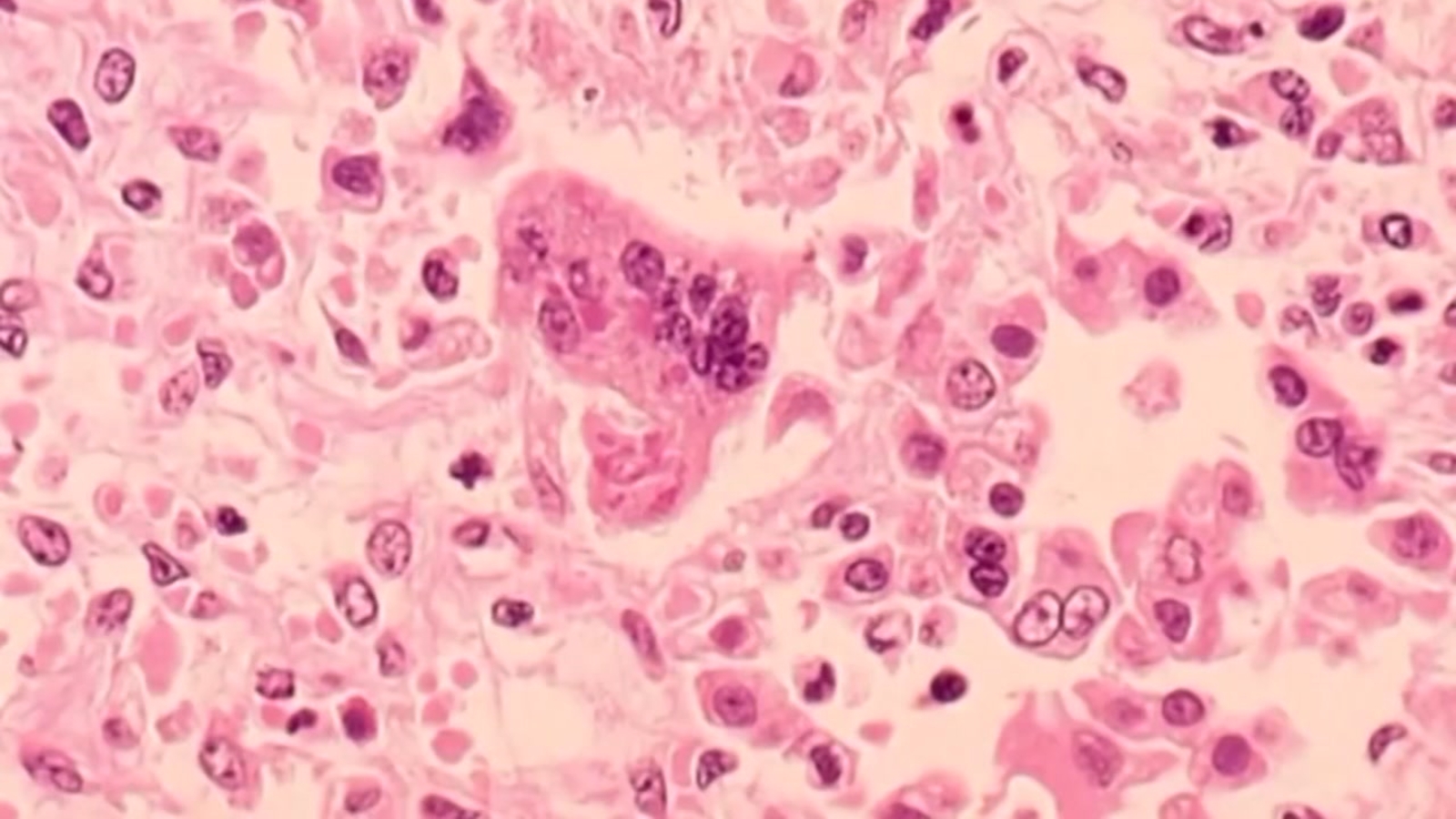
Measles in North Carolina: State reports 5th case linked to South Carolina surge