The raid on Syria is a dark portent. The current president has three long, unaccountable months to cement his legacy
Oct. 31, 2008 (The Guardian) -- We are about to enter the twilight zone, that strange black hole in political time and space that appears no more than once every four years. It is known as the period of transition, and it starts a week from today, the time when the United States has not one president but two. One will be the president-elect, the other George Bush, in power for 12 more weeks in which he can do pretty much whatever he likes. Not only will he never again have to face voters, he won't even have to worry about damaging the prospects of his own party and its standard bearer (as if he has not damaged those enough already). From Nov. 5 to Jan. 20, he will exercise the freest, most unaccountable form of power the democratic world has to offer.
How Bush might use it is a question that gained new force at the weekend, when U.S. forces crossed the Iraqi border into Syria to kill Abu Ghadiya, a man they said had been funnelling "foreign fighters" allied to al-Qaida into Iraq. That American move has touched off a round of intense head-scratching around the world, as foreign ministers and analysts ask each other the time-honoured diplomatic query: what did they mean by that? To which they add the post-Nov. 4 question: and what does it tell us about how Bush plans to use his final days in the White House?
You can choose from two versions. Call the first the "no big deal" theory. It holds that the Sunday raid was no more than standard operational procedure in the war on terror. Sure, it meant violating the sovereignty of an independent nation state, but that's not so new: there was a similar incursion into Pakistan in September. Indeed, there may be more relevant precedents. A former official in the Bush administration confirmed to me yesterday that the US has lunged into Syrian territory several times before: it's just that Damascus chose to keep quiet. In which case, the interesting question is why the Syrians went public this time.
In this "no big deal" version, Abu Ghadiya was simply too irresistible a high-value target to let slip away. "They saw something they wanted to hit and they hit it," says one European diplomat resignedly. The most extreme version of this shoulder-shrugging account holds that the decision may not even have been taken at the political level, but in the field, by General David Petraeus. Not so implausible, since Bush in effect ceded command of the Iraq war to Petraeus a long while ago.
more

www.malaymail.com/news/world/2026/01/11/bomb-attac…
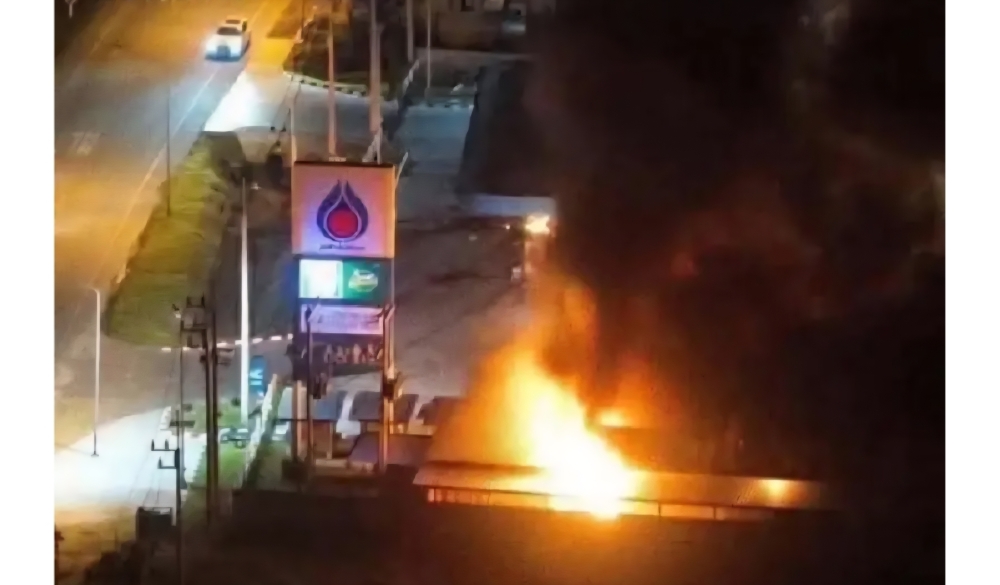
BANGKOK, Jan 11 — A series of late-night bomb attacks targeted 11 PTT petrol stations in Thailand’s southern border provinces of Narathiwat, Pattani and Yala…
www.khaama.com/at-least-eight-refugees-die-37-resc…

At least eight refugees died and 37 were rescued when their boat sank off Badmeli near Izmir, Turkish authorities said on Saturday.
katu.com/news/local/oregon-confirms-first-measles-…

Health officials in Oregon have confirmed the state's first measles cases of 2026, with two people diagnosed in Linn County.
abc11.com/post/measles-north-carolina-state-report…
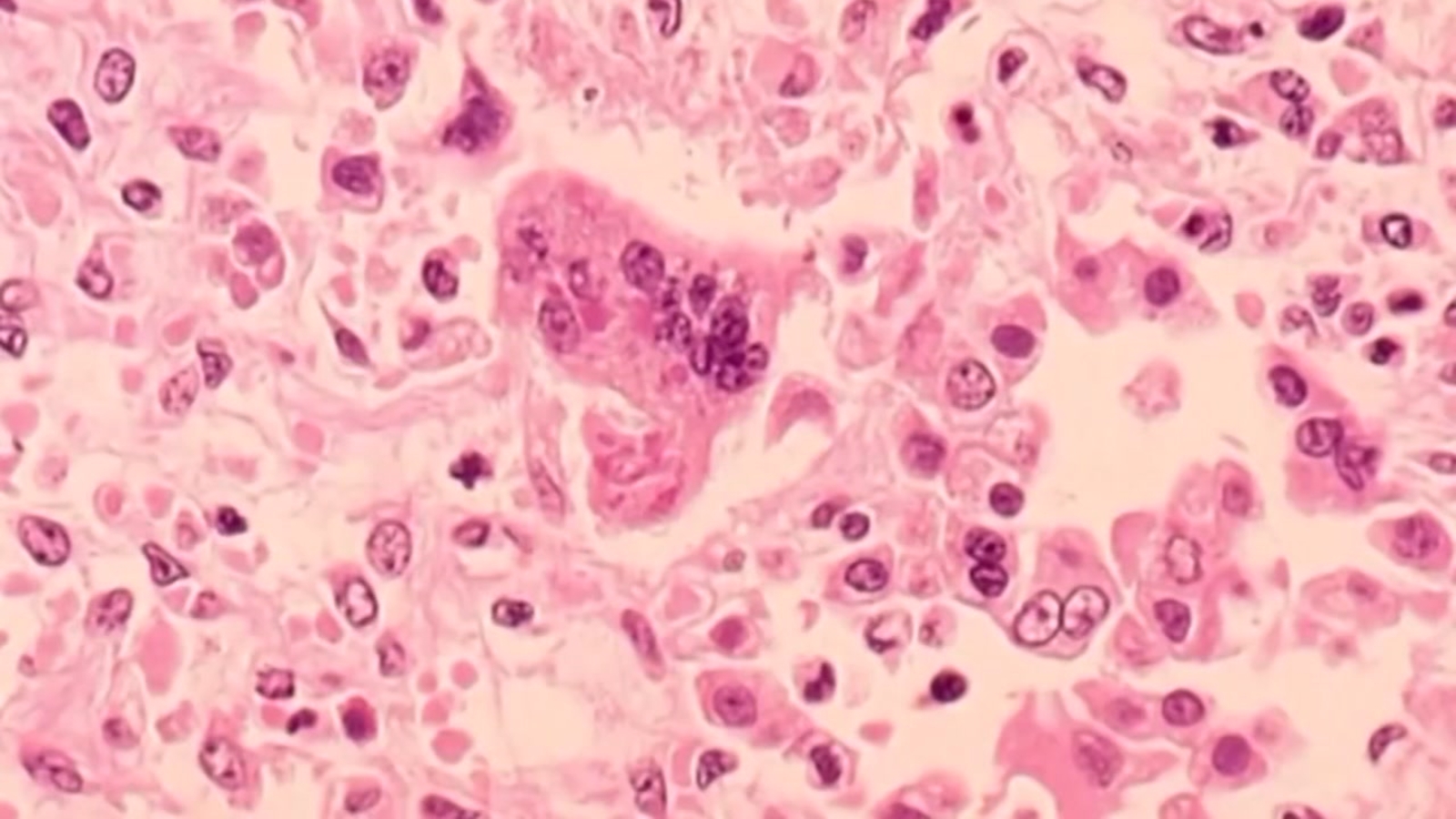
Measles in North Carolina: State reports 5th case linked to South Carolina surge