That candid assessment, e-mailed to a colleague in December 2006, referred to the market for certain investments linked to subprime mortgages - investments that were assigned top, AAA ratings from major agencies, only to later plummet in value.
{xtypo_quote_left} "It could be structured by cows and we would rate it," an analyst wrote in April 2007, noting that she had only been able to measure "half" of a deal's risk before providing a rating. {/xtypo_quote_left}
That e-mail message and dozens like it were disclosed Tuesday in a blistering 37-page report issued by the Securities and Exchange Commission, which confirmed what many on Wall Street had long suspected: The major ratings firms, including Fitch, Moody's and Standard & Poor's, flouted conflict of interest guidelines and considered their own profits when rating securities, among other suspect practices.
The report represented a definitive dent in the aura of objectivity that has been cultivated for decades by ratings firms, considered the ivory towers of Wall Street. Investors, public and private alike, often gamble billions of dollars on securities the agencies deem reliable. The assumption was that the firms' analysts - ostensibly disinterested types who assess the financial health of everything from states and cities to complex mortgages - offered a bias-free view of potential investments.
Instead, the SEC found that the agencies became overwhelmed by an increase in the volume and sophistication of the securities they were asked to review.
more

www.malaymail.com/news/world/2026/01/11/bomb-attac…

BANGKOK, Jan 11 — A series of late-night bomb attacks targeted 11 PTT petrol stations in Thailand’s southern border provinces of Narathiwat, Pattani and Yala…
www.khaama.com/at-least-eight-refugees-die-37-resc…

At least eight refugees died and 37 were rescued when their boat sank off Badmeli near Izmir, Turkish authorities said on Saturday.
katu.com/news/local/oregon-confirms-first-measles-…

Health officials in Oregon have confirmed the state's first measles cases of 2026, with two people diagnosed in Linn County.
abc11.com/post/measles-north-carolina-state-report…
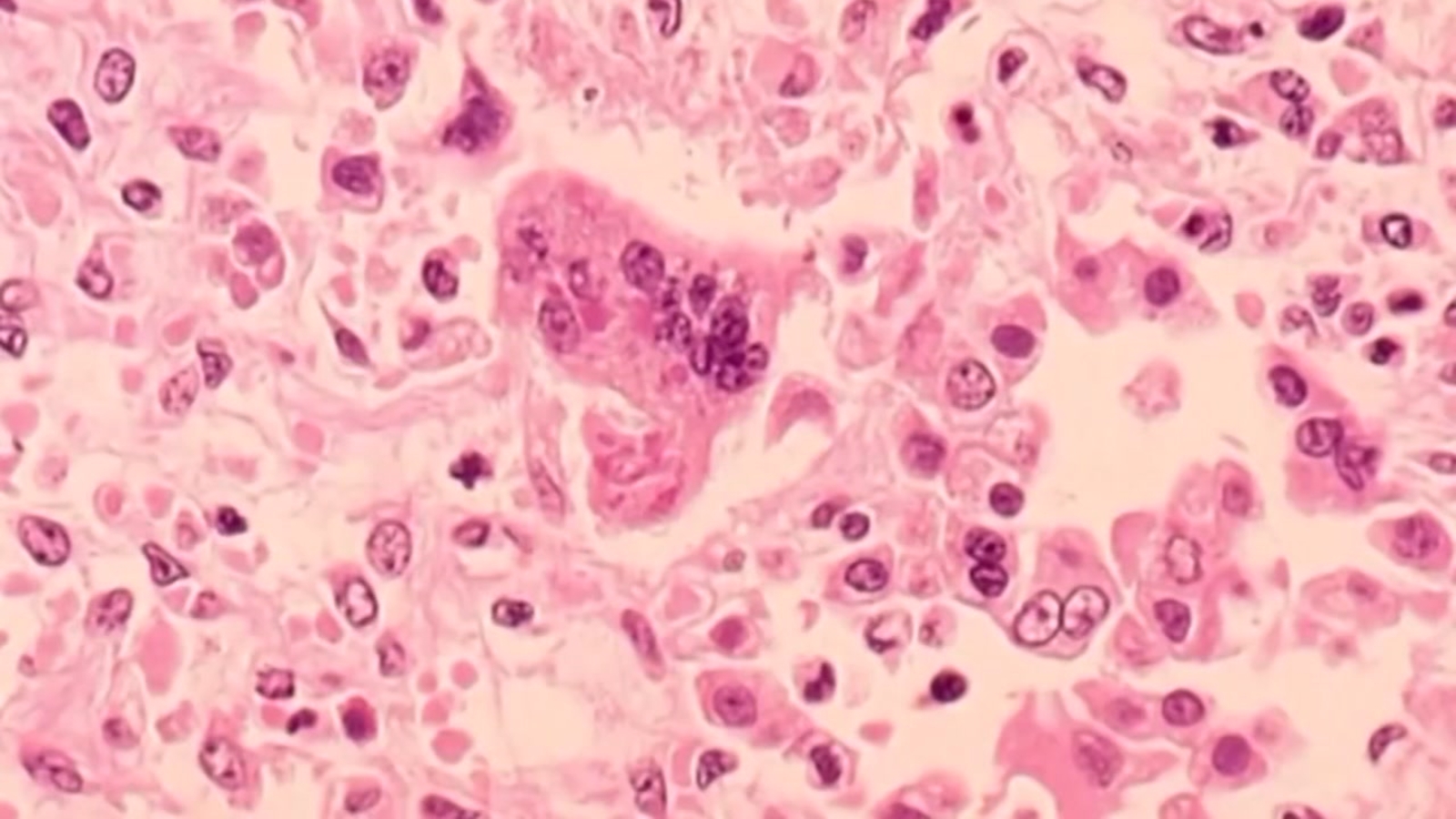
Measles in North Carolina: State reports 5th case linked to South Carolina surge