(Bloomberg) -- U.S. stocks slid, capping the worst week for the Standard & Poor's 500 Index since the 2001 terrorist attacks, on concern the $700 billion bank bailout isn't enough to unlock credit markets and prevent a recession.
JPMorgan Chase & Co., the biggest U.S. bank by deposits, CB Richard Ellis Group Inc., the largest commercial real-estate brokerage, and Lennar Corp., the second-biggest homebuilder, fell more than 7 percent even after the House of Representatives approved the plan to buy banks' troubled assets. Citigroup Inc. dropped 18 percent, its steepest plunge since 1988, after Wachovia Corp. agreed to be acquired by Wells Fargo & Co., snubbing a deal to sell its banking operations to Citigroup.
The S&P 500 declined 15.04 points, or 1.4 percent, to 1,099.24. The Dow Jones Industrial Average lost 157.15 points, or 1.5 percent, to 10,325.7. The Nasdaq Composite Index slipped 29.33, or 1.5 percent, to 1,947.39. More than three stocks decreased for each that rose on the New York Stock Exchange.
``Once you get over one hurdle, you start looking at the next hurdle, and the next one is the weakness in the United States,'' said John Davidson, president of PartnerRe Asset Management in Greenwich, Connecticut, which invests more than $12 billion. ```There's doubt that we'll avoid a recession.''
The S&P 500 extended its loss over the past five days to 9.4 percent. The benchmark index for U.S. stocks tumbled 4 percent yesterday as reports on jobless claims and factory orders reignited concern the economy is sinking into a recession. The Dow lost 7.3 percent in the week and the Nasdaq tumbled 10.8 percent.
more

www.malaymail.com/news/world/2026/01/11/bomb-attac…

BANGKOK, Jan 11 — A series of late-night bomb attacks targeted 11 PTT petrol stations in Thailand’s southern border provinces of Narathiwat, Pattani and Yala…
www.khaama.com/at-least-eight-refugees-die-37-resc…

At least eight refugees died and 37 were rescued when their boat sank off Badmeli near Izmir, Turkish authorities said on Saturday.
katu.com/news/local/oregon-confirms-first-measles-…

Health officials in Oregon have confirmed the state's first measles cases of 2026, with two people diagnosed in Linn County.
abc11.com/post/measles-north-carolina-state-report…
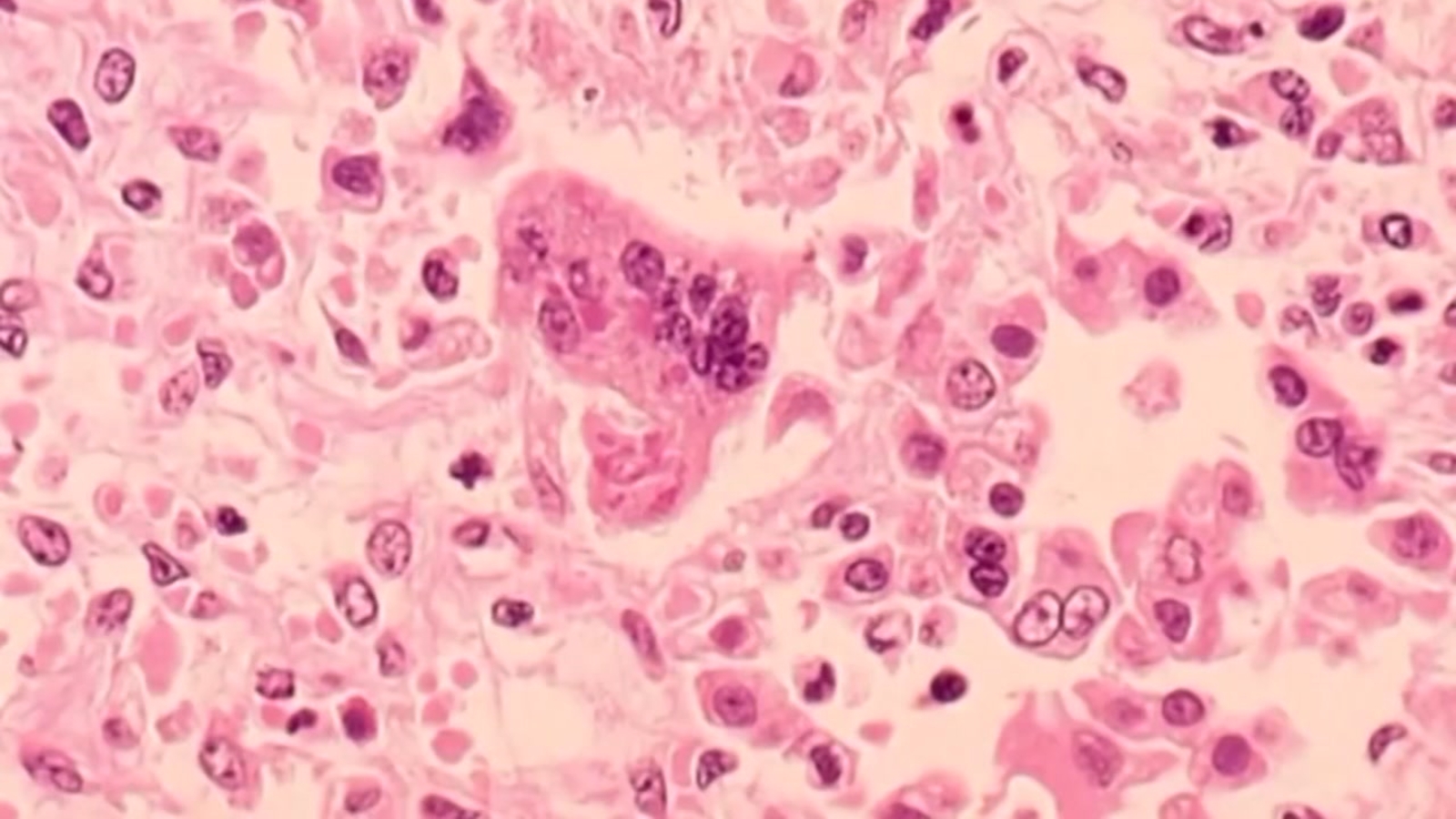
Measles in North Carolina: State reports 5th case linked to South Carolina surge