The draft agreement published by Asharq Al-Awsat would clearly contravene the U.S. Constitution. It will not be a treaty, requiring the consent of two-thirds of the Senate, or a congressional-executive agreement, requiring the approval of both houses of Congress. Instead, the President asserts the power, as commander in chief, to commit the nation to his deal with Iraq without seeking the consent of the legislative branch. The provisions of the published text, however, decisively refute his claim to unilateral authority.
{xtypo_quote_left} It is past time for the President to provide Congress with a copy of the draft agreement, and ask for its consent. Senators and Representatives should not be forced to rely on translations from foreign newspapers to learn what their government is up to; there should be no secret deals on the most important issues facing America. {/xtypo_quote_left}
The breadth of the President's powers as commander in chief is one of the most controversial issues in constitutional law. Nevertheless, there is one point on which everybody agrees: The President can't unilaterally surrender his command over the military to somebody else, and tell the troops to treat this outsider as commander-in-chief. The authority he has as commander-in-chief is not his to transfer.
The published draft agreement violates this bedrock principle by creating a joint U.S.-Iraq committee and giving it, not the President, the authority to coordinate military operations, to resolve operational disputes, and even to "determine the tasks and level of the troops that will focus on training and supporting Iraqi security forces." The agreement creates only one exception: American troops can act unilaterally in self-defense without obtaining the committee's permission.
The constitutional violation is plain: The agreement would cede the President's authority over U.S. forces in the field to a committee, on which the Iraqis would have veto power.
more
Read More: Yahoo News

www.malaymail.com/news/world/2026/01/11/bomb-attac…
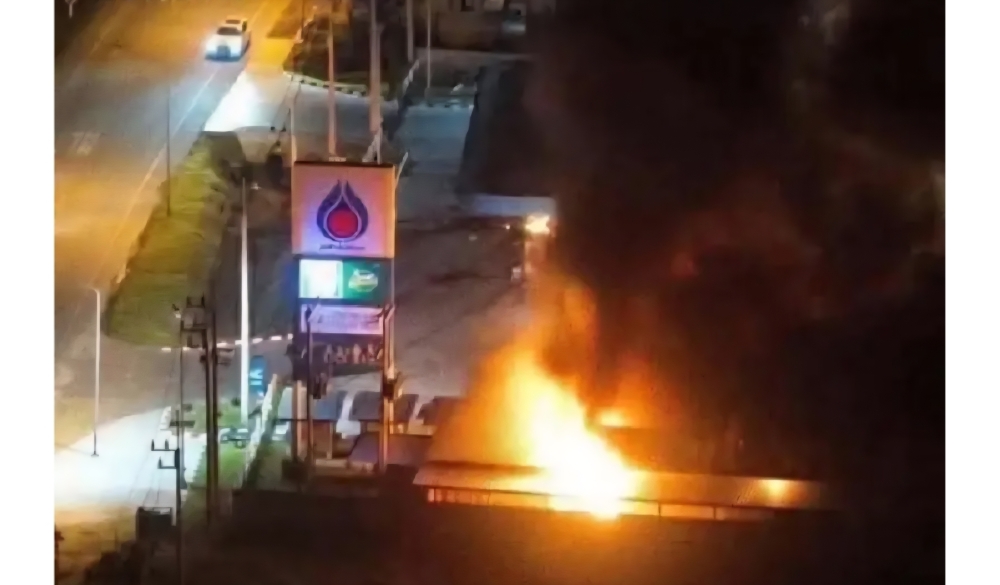
BANGKOK, Jan 11 — A series of late-night bomb attacks targeted 11 PTT petrol stations in Thailand’s southern border provinces of Narathiwat, Pattani and Yala…
www.khaama.com/at-least-eight-refugees-die-37-resc…

At least eight refugees died and 37 were rescued when their boat sank off Badmeli near Izmir, Turkish authorities said on Saturday.
katu.com/news/local/oregon-confirms-first-measles-…

Health officials in Oregon have confirmed the state's first measles cases of 2026, with two people diagnosed in Linn County.
abc11.com/post/measles-north-carolina-state-report…
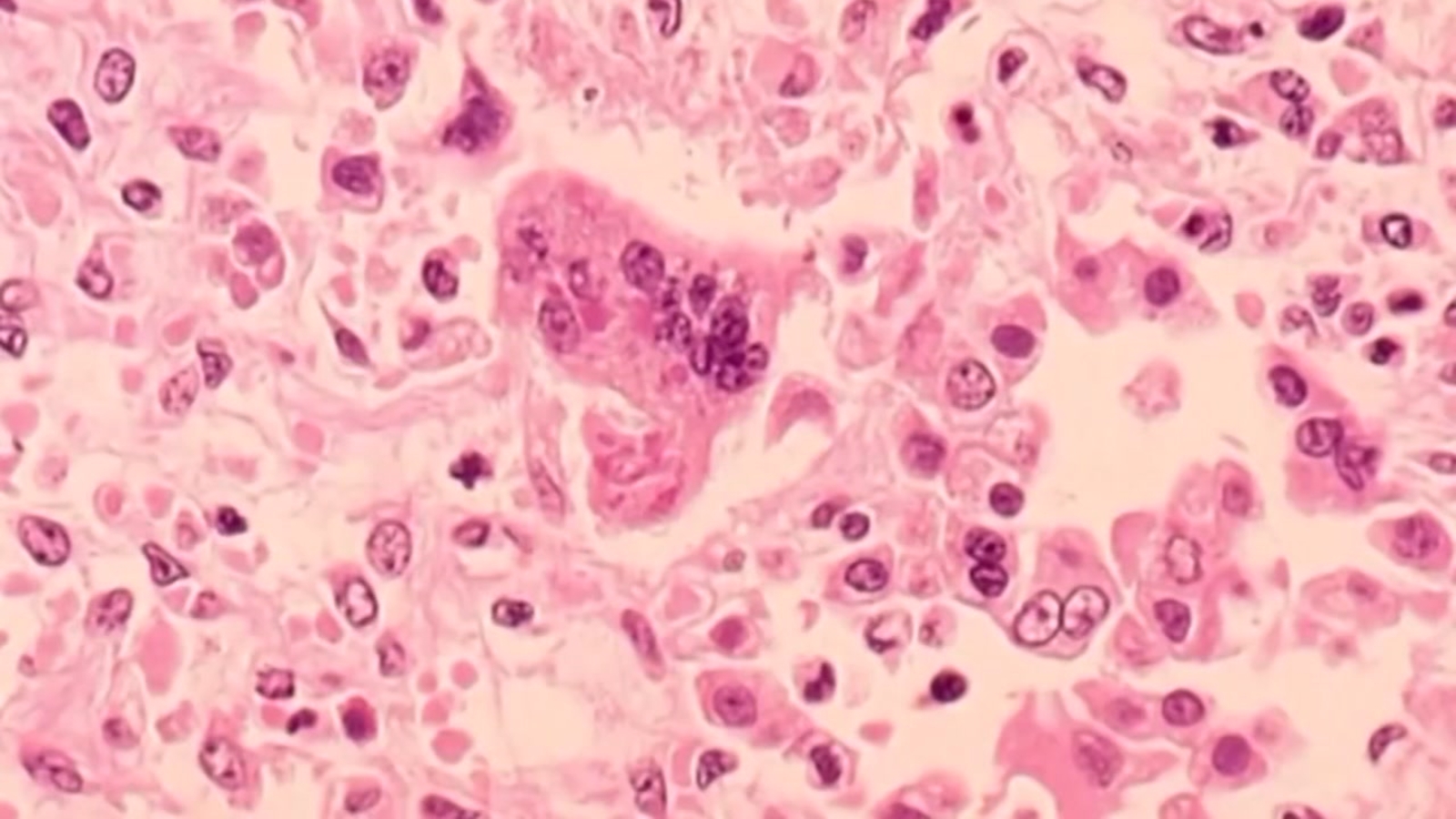
Measles in North Carolina: State reports 5th case linked to South Carolina surge